
Removing rust with a laser.
Precise, right down to the metal.
Removing rust with a laser – precise, dry and without conventional blasting media. Laser cleaning allows controlled processing of metal and metal surfaces and is suitable for components, machinery, tools, vehicle bodies and industrial applications. Laser power and process parameters are matched to the material, the degree of corrosion and the desired result.
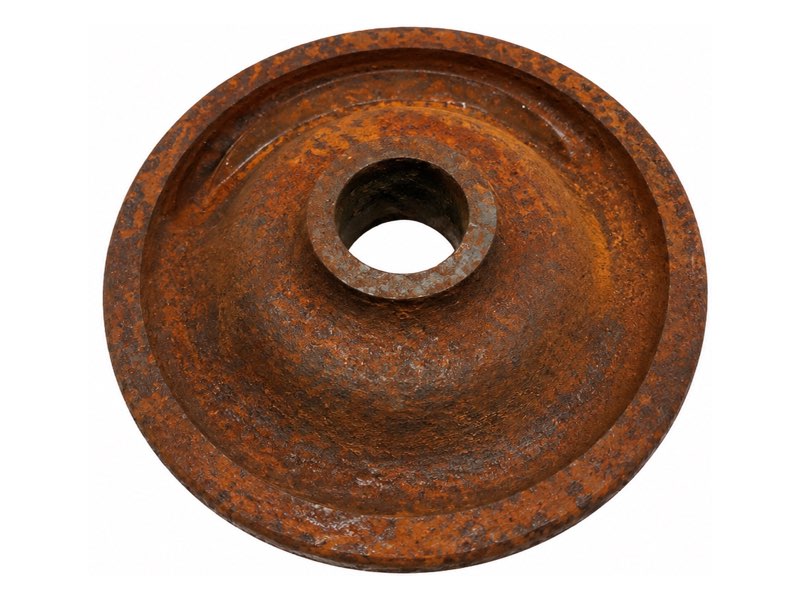
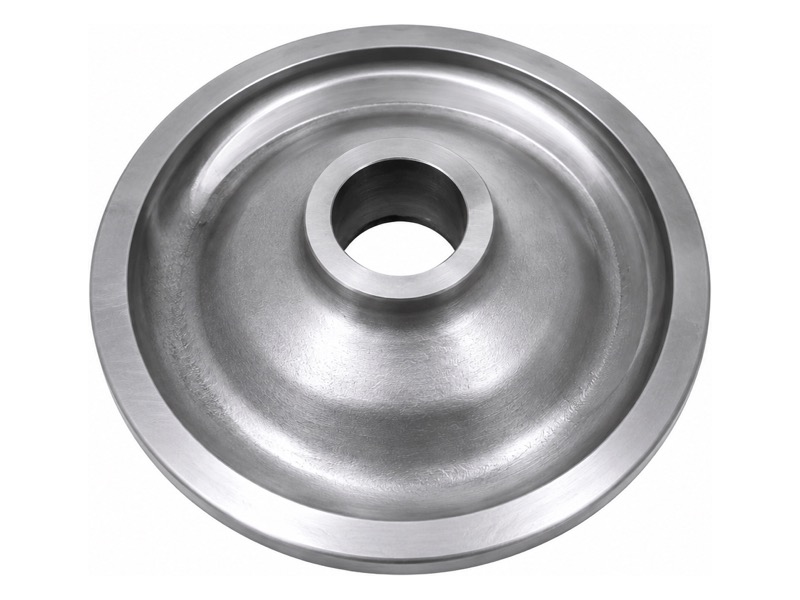
Laser rust removal instead of grinding, blasting or pickling.
Depending on the process and the application, conventional rust removal methods can also affect the base material or cause additional outlay for materials and disposal.
In laser rust removal, laser energy is directed precisely onto the corroded surface. Depending on the material, the rust layer, the laser system and the parameter settings, the corrosion can be removed in a controlled manner. The process parameters are matched to the particular surface and the desired result.
Where laser rust removal proves its worth
Weld seam preparation, restoration, tool and mould maintenance, classic car bodies, system maintenance — wherever dimensional accuracy and protecting the material count.
In metalworking, rust, oxide layers and scale can be processed in a targeted way and metal surfaces prepared for further work steps. In automotive work and classic car restoration, rust and old paint layers are released from suitable body, frame, chassis and add-on parts; the parameters are matched to the sheet thickness, the coating and the desired result. In plant engineering, mobile laser cleaning machines make it possible to process suitable machine components, fixtures and tools directly on site. In mould and tool making, moulds, dies and tools are freed of residues — including in cavities.
Which materials are suitable for laser rust removal
Laser rust removal is designed for metallic surfaces. For the removal of rust and paint, the product catalogue lists aluminium, alloys, copper, iron, steel and stainless steel, among others; for the laser welding machine, steel, stainless steel, galvanised sheet and aluminium are listed. Whether your particular surface is suitable and which parameter settings fit is decided on the component itself — which is why a test on your own material comes first.
Removing rust with a laser: before and after.
The result of laser rust removal depends, among other things, on the material, the rust layer, the surface and the laser power used. The examples show real components before and after laser cleaning — hover over an image and the beam sweeps across.


From sample to
clean component.
Test a rusted component
You send us a typical rusted component — or we come to you with the machine.
Match the laser parameters
We match laser power, processing speed and other process parameters to the material, the rust layer and the desired result – and test the application directly on the component.
Assess the result of laser rust removal
You see the result before you decide. Depending on how often it is used and the scale of the project, your own laser cleaning machine for rust removal or a time-limited hire may make sense. Beamlux offers both options and advises on the selection of the right system.
Select the right laser cleaning machine
Based on the test result, we compare the available power classes against your specific application and recommend the right system — for purchase or for hire. A short instruction session is included with every hire and every purchase. Individual and group training for your staff — dates and terms on request.
Extraction and protective measures during rust removal
Removing rust and coatings can produce process-related dust, particles and emissions. For laser cleaning applications, suitable process extraction matched to the material being processed must therefore be provided; the filter and extraction technology is selected according to the application. Depending on the version, Beamlux laser systems can produce laser radiation of laser class 4, which is why an application-specific risk assessment must be carried out and a suitable laser area defined before commissioning. Wear parts such as protective windows, lenses and laser safety goggles are available through our Service. The detailed information can be found under laser safety.
Pulsed laser or continuous wave: the right machine for the rust in question.
Two types of laser are available for rust removal. The portable BL Portable Pulse works with pulsed laser technology in the 200 and 300 W power classes at 1064 nm and is designed for precise, spot cleaning tasks. The BL Compact Pulse uses the same technology, is mobile on four castors and is geared towards workshop use, industry and longer cleaning runs; a 1,000 W version is available on request.
The BL CW 2000, by contrast, works with a CW laser (continuous wave), 2,000 W and likewise 1064 nm. It is built as a mobile unit and is intended for industrial applications, larger areas, production and maintenance.
If welding is required alongside rust removal, the BL Welding Machine covers four functions in one machine: welding, cutting, weld seam cleaning and rust removal. It is available in power classes from 1,500 to 6,000 W and is water-cooled.
Which power class suits your surfaces is something we clarify in the needs analysis — material, contamination, area and frequency of use determine which machine makes sense.
Not just rust.


Send us your most stubborn case of rust.
We test on your real component which laser power and parameter settings make sense for the application, and return the sample with the result.