Laser cleaning is suitable for numerous tasks in production, maintenance, surface processing and restoration. What is decisive is the material, the contamination and the result you want.
Laser cleaning for industry, trades and restoration.
Laser cleaning is suitable for numerous tasks in production, maintenance, surface processing and restoration. What is decisive is the material, the contamination and the result you want. Tap an industry — you will see what it involves in practice.
Metalworking+
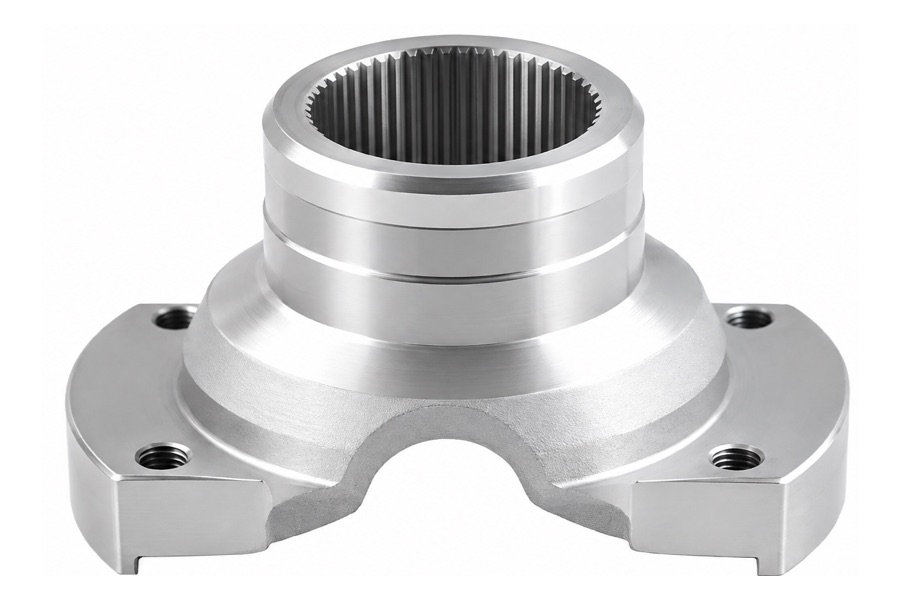
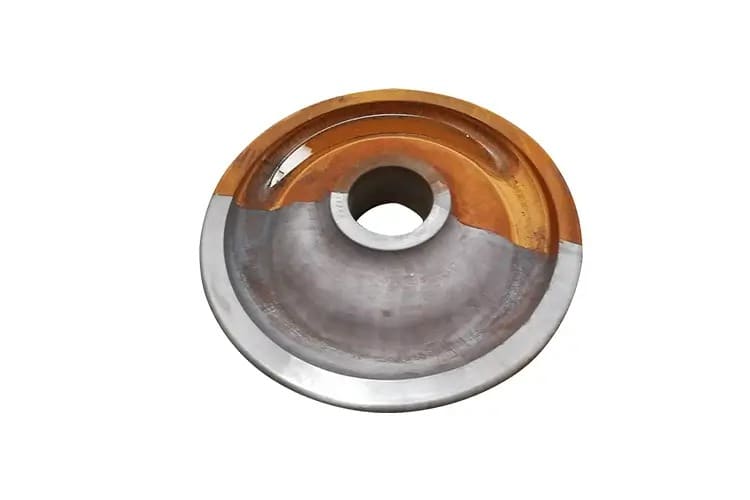
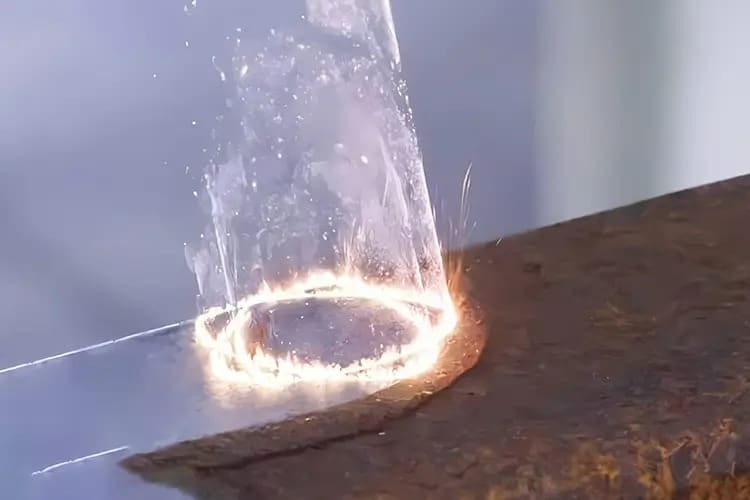
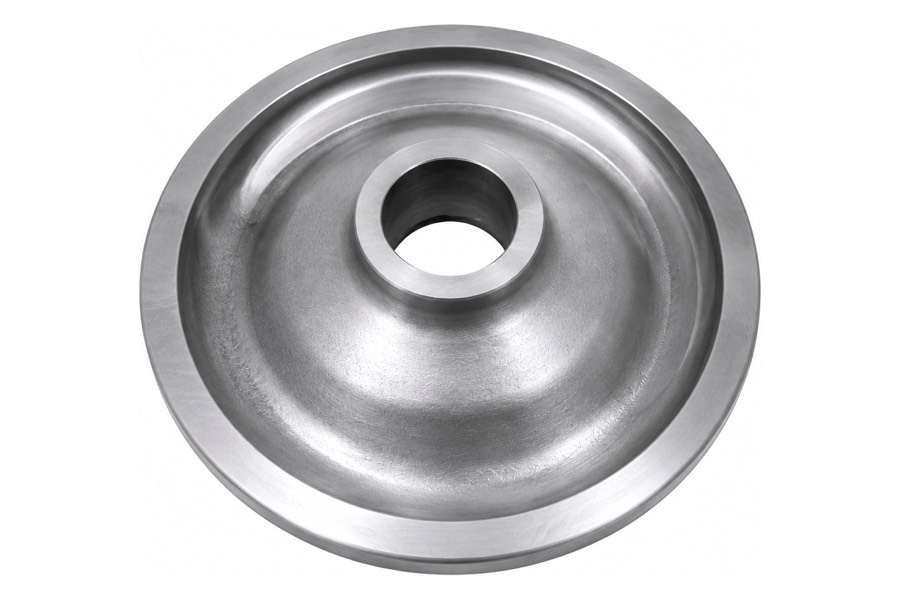
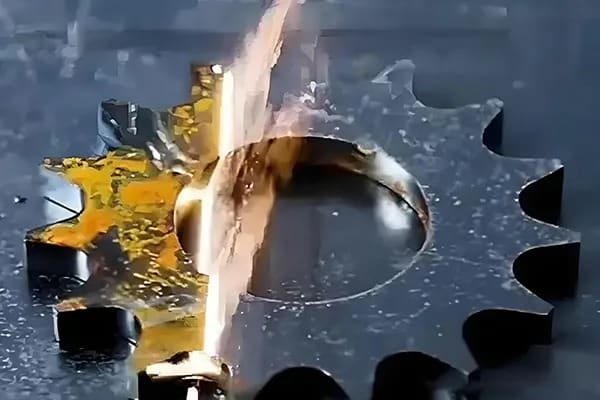
Process rust, paint, oxide layers and scale in a targeted way and prepare metal surfaces for further work steps. For the water-cooled CW machine, the product catalogue lists aluminium, alloys, copper, iron, steel and stainless steel as suitable materials and rapid rust removal on large metal surfaces as an application. Weld seam preparation is one of the fields of use; the process runs dry, without conventional blasting media and without chemical cleaning agents.
Automotive+
Process rust, paint and oxide layers on suitable body, frame and chassis parts under control. For the 4-in-1 laser welding machine, steel, stainless steel, galvanised sheet and aluminium are given as materials; rust removal is one of the four functions alongside welding, cutting and weld seam cleaning.
Industry & plant engineering+
Mobile laser cleaning machines make it possible to process suitable machine components, fixtures and tools directly on site. The portable model is fitted with a carrying strap and is intended for spot cleaning tasks; for larger areas, production and maintenance, the wheeled CW machine with hose reel and signal tower is available. System maintenance and the maintenance of tools and moulds are among the typical fields of use.
Heritage conservation+
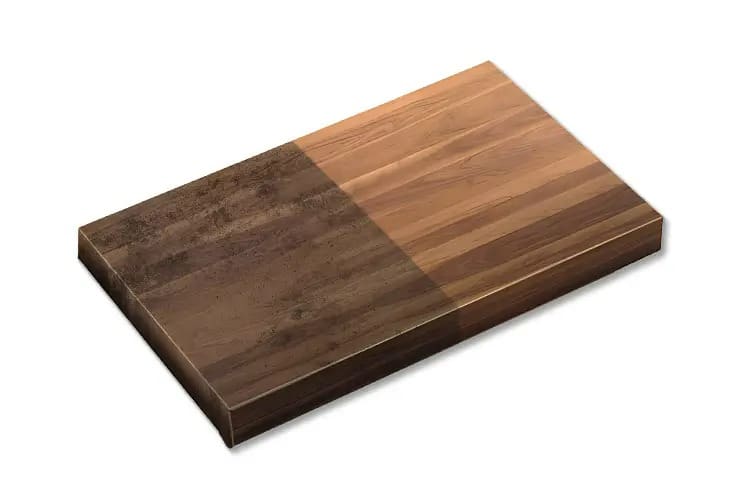
Gentle cleaning of natural stone, clinker brick and metal. The energy can be metered finely — with suitable parameter settings, the effect on the surface underneath is minimised. In the product catalogue the pulsed lasers are intended for the precision cleaning of metals and non-metals; stone and wood are expressly named there as materials that can be processed. For the air-cooled version the catalogue shows eight cleaning modes with different scan patterns, including one freely adjustable mode. Before work on the object itself, the result can be checked on a material sample or in an on-site demo.
Woodworking+
Process charring, old paintwork and soiling on wooden surfaces. The parameter settings are matched to the type of wood, the surface and its condition. For the pulsed lasers, the product catalogue names wood, stone and hard non-metals as suitable materials alongside metal; according to it, rust, paint, oil and oxide layers can be removed. The catalogue describes sensitive workpieces and delicate parts as the focus of this design.
Building cleaning+
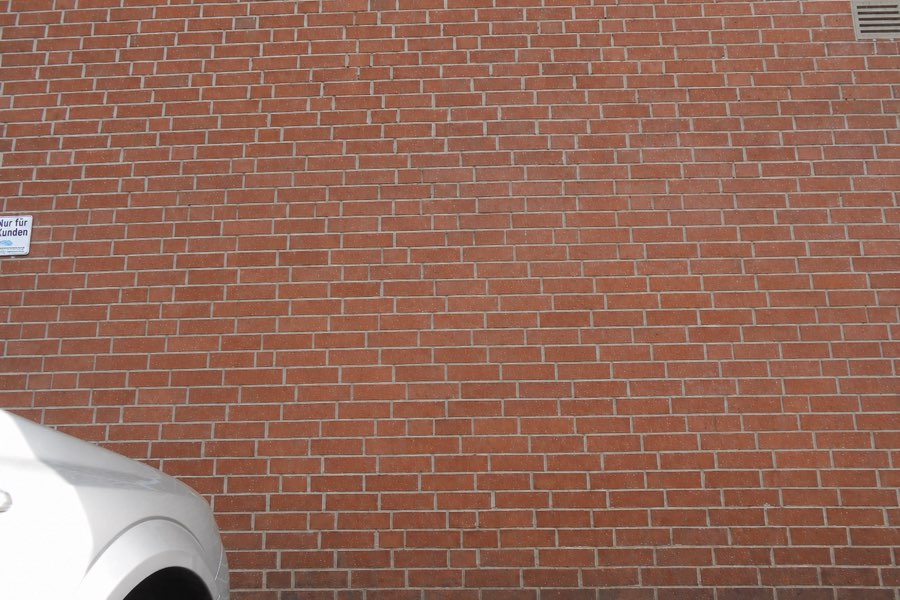
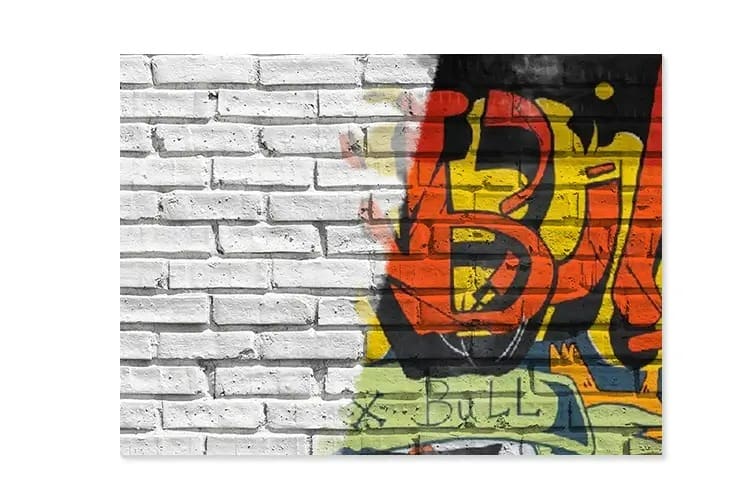
Remove graffiti and soiling from façades — without conventional blasting media and without chemical cleaning agents. Stone, concrete and clinker brick are among the surfaces that come into question here.
Classic car restoration+
Release rust and old paint layers from bodywork, frames and add-on parts. The parameters are matched to the sheet thickness, the coating and the result you want. For individual parts, the route via a material sample is a good option: you send us a typical component, we check on the real part which laser power and parameter settings make sense, and we return the sample together with the result. Material removal is selective; depending on the application, the surface cleaned in this dry process is directly suitable for further processing steps.
Mould & tool making+
Free moulds, dies and tools of residues — including in cavities. With suitable parameter settings, the effect on the tool surface can be minimised. If you only want individual moulds treated, mould cleaning can be placed as subcontract work; we process suitable components in our workshop.
The same in every industry
The material first. Then the parameters.
However different the industries are, the process is the same. Material, contamination, area and frequency of use determine which laser cleaning machine makes sense. We match the laser power, the processing speed and further process parameters to that and test the application directly on the component.
The classification from the product range helps when choosing a machine: the portable pulsed laser is intended for fine work on sensitive parts, and the wheeled compact machine or the CW machine for large areas, production and continuous use. We compare the available power classes on the basis of your specific application.
Whatever the industry: depending on the version, Beamlux laser systems can generate laser radiation of laser class 4. Before commissioning, an application-related risk assessment must be carried out, the laser area must be secured against access by unauthorised persons, and extraction suited to the material being processed must be provided. Instruction is included with purchase and hire; further training is available on request and at extra cost.